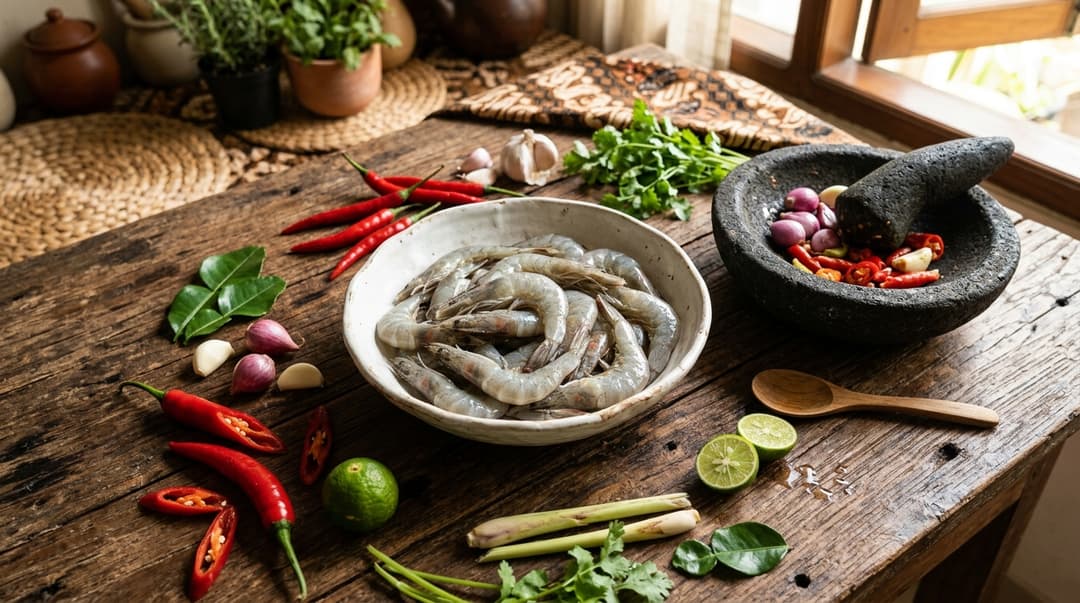
Frozen Vannamei Shrimp from Indonesia: The Complete Guide to Quality, Nutrition, and Cooking
- 08 Jul 2026
There is a particular kind of comfort that arrives at a dinner table set around great seafood. It's not about luxury — it's about memory. The smell of garlic and butter hitting a hot pan. The way shrimp curl perfectly as they cook, as if performing a small magic trick right before your eyes. For millions of families across Asia, Europe, and the Americas, shrimp has quietly become the centerpiece of weeknight dinners, festive gatherings, and everything in between.
But behind that simple pleasure sits a story few people stop to consider: where that shrimp actually comes from, how it traveled from a tropical pond to your freezer, and what separates a truly excellent frozen shrimp from a mediocre one.
This guide takes you through all of it — the history, the science of freezing, the nutritional value, and the practical knowledge that turns an ordinary shrimp dish into something worth remembering. By the end, you'll know exactly what to look for, how to cook it properly, and why Indonesian vannamei shrimp has earned its reputation as one of the finest in the world.
A Brief History of Shrimp on the Human Table
Shrimp has been eaten for thousands of years. Coastal communities in Southeast Asia, the Mediterranean, and the Gulf of Mexico have relied on it as a protein staple long before modern aquaculture existed. Ancient Chinese manuscripts from the Han Dynasty reference shrimp farming techniques as early as 2,000 years ago. Indigenous communities along the coasts of what is now Vietnam and Thailand developed bamboo-trap systems to harvest shrimp from tidal waters.
The global appetite for shrimp, however, exploded in the late 20th century. By the 1980s, shrimp had become the most consumed seafood in the United States. European markets followed closely. The challenge was simple: demand far outpaced what wild catch could supply.
This is where aquaculture stepped in — and where Indonesia became one of the world's most critical players in the story.
Why Vannamei Shrimp Became the World's Favourite
Not all shrimp are created equal. Among the hundreds of species harvested globally, Litopenaeus vannamei — commonly known as Pacific white shrimp or vannamei shrimp — has risen to dominate the global market, and for good reason.
What Makes Vannamei Different
| Feature | Vannamei Shrimp | Tiger Shrimp | Black Tiger Prawn |
|---|---|---|---|
| Growth Rate | Fast (3–4 months) | Moderate | Slow |
| Salinity Tolerance | Wide range | Narrow | Narrow |
| Disease Resistance | High | Moderate | Low |
| Flavour Profile | Mild, sweet | Pronounced, briny | Robust, oceanic |
| Market Availability | Year-round | Seasonal | Seasonal |
| Price Point | Accessible | Premium | Premium |
Vannamei shrimp's adaptability to varying water salinity and temperature makes it an ideal candidate for controlled aquaculture. It reaches harvest size quickly, holds up well to freezing, and its mild, slightly sweet flavour makes it an extraordinarily versatile cooking ingredient.
Today, vannamei accounts for more than 80% of global shrimp aquaculture production — a dominance that has only grown as processing and freezing technology has improved.
Indonesia: One of the World's Leading Shrimp Producers
If you've eaten vannamei shrimp in the past decade, there's a considerable chance it came from Indonesia.
Indonesia sits within the Coral Triangle — a region of the Indo-Pacific recognized as the global centre of marine biodiversity. With more than 17,000 islands, 81,000 kilometres of coastline, and vast stretches of tropical shallow water, Indonesia provides some of the most naturally suited conditions on earth for shrimp aquaculture.
Why Indonesian Shrimp Stands Apart
The country's aquaculture sector has invested heavily in sustainable and biosecure farming practices. Modern shrimp farms in regions like Lampung (Sumatra), East Java, and South Sulawesi operate under strict quality management systems aligned with international standards including:
- HACCP (Hazard Analysis and Critical Control Points)
- ASC (Aquaculture Stewardship Council) certification
- BAP (Best Aquaculture Practices) standards
- BPOM compliance — Indonesia's national food and drug authority
The natural tropical climate, combined with responsible farm management, produces shrimp with clean flavour profiles, firm texture, and excellent yield. Indonesian shrimp processors export to the European Union, United States, Japan, South Korea, Australia, and the Middle East — markets that demand rigorous quality documentation before a single kilogram crosses the border.
"Indonesia's position as a global seafood exporter is built not just on volume, but on the consistency of quality that buyers around the world have come to rely on."
What Is IQF Technology — and Why It Matters
When premium frozen shrimp is produced, it goes through a process that most consumers never see, but should understand: Individually Quick Frozen, or IQF.
How IQF Works
Traditional bulk freezing places multiple shrimp together in a block. As they freeze slowly, ice crystals form between and within the flesh, damaging cell walls and causing moisture loss. The result, when thawed, is mushy, watery shrimp that releases excess liquid in the pan.
IQF technology solves this by passing each individual shrimp through a blast-freezer tunnel at temperatures as low as -35°C (-31°F). The entire process takes minutes rather than hours. Because freezing is so rapid:
- Ice crystals remain tiny, causing negligible cell damage
- Cellular structure is preserved
- Moisture is locked inside the flesh
- Colour, texture, and flavour are retained at peak freshness
The practical outcome for you in the kitchen? IQF shrimp thaws cleanly, holds its shape during cooking, and behaves almost identically to fresh shrimp — often outperforming shrimp that has been sitting on a fishmonger's ice bed for two days.
Fresh vs. Frozen Shrimp: What the Science Actually Says
A persistent myth tells us that fresh is always better than frozen. For many foods, that is true. For shrimp specifically, the reality is more nuanced — and often reversed.
The Timeline Problem with "Fresh" Shrimp
Wild-caught shrimp begins degrading within hours of harvest. A shrimp caught at sea, iced on a vessel, transported to port, processed, transported again to a distributor, and finally delivered to a supermarket may have travelled 4–7 days before reaching the counter. Enzymatic activity and bacterial growth begin the moment the shrimp leaves the water.
By contrast, shrimp destined for IQF freezing is processed on-site or at facilities within minutes or hours of harvest. The cold chain is maintained from that moment all the way to your freezer.
Fresh vs. Frozen Comparison
| Factor | Fresh (Market) Shrimp | IQF Frozen Shrimp |
|---|---|---|
| Time from harvest | Days | Hours |
| Nutrient retention | Declining | Preserved |
| Texture at cooking | Variable | Consistent |
| Availability | Seasonal/regional | Year-round |
| Price | Higher | More accessible |
| Shelf life at home | 1–2 days | 6–12 months |
| Risk of spoilage | Higher | Lower |
Independent food science studies have consistently found that IQF frozen seafood retains nutritional equivalence to fresh seafood when processed promptly. In blind taste tests conducted across multiple culinary schools, trained chefs frequently rated well-prepared IQF shrimp equally or superior to "fresh" market shrimp of unknown provenance.
The conclusion is straightforward: premium frozen shrimp is not a compromise. It is often the smarter choice.
Nutritional Profile of Vannamei Shrimp
Beyond flavour, vannamei shrimp is a genuinely impressive food from a nutritional standpoint.
Nutrition Per 100g of Cooked Vannamei Shrimp
| Nutrient | Amount |
|---|---|
| Calories | 99 kcal |
| Protein | 24g |
| Total Fat | 0.3g |
| Saturated Fat | 0.1g |
| Carbohydrates | 0.2g |
| Cholesterol | 189mg |
| Sodium | 111mg |
| Omega-3 Fatty Acids | 0.3g |
| Vitamin B12 | 1.3 µg (54% DV) |
| Selenium | 38 µg (69% DV) |
| Iodine | 35 µg |
| Phosphorus | 220mg (22% DV) |
| Zinc | 1.6mg (15% DV) |
Shrimp is one of the rare foods that delivers a substantial protein hit — roughly equivalent to chicken breast — with almost no fat. For those managing caloric intake, it is particularly valuable.
Health Benefits of Eating Vannamei Shrimp
1. Exceptional Lean Protein Source
With 24 grams of protein per 100g serving, vannamei shrimp supports muscle synthesis, immune function, and satiety. Unlike red meat, this protein comes with essentially no saturated fat.
2. Rich in Selenium — A Critical Antioxidant
A single 100g portion delivers nearly 70% of the recommended daily intake of selenium. This trace mineral plays a central role in thyroid function, DNA synthesis, and protection against oxidative stress, which is linked to chronic disease and aging.
3. Excellent Source of Vitamin B12
Vitamin B12 deficiency is surprisingly common, particularly among those who limit meat consumption. Shrimp is one of the more accessible non-red-meat sources of this essential vitamin, which supports nerve function, red blood cell formation, and cognitive health.
4. Iodine for Thyroid Health
Iodine is essential for producing thyroid hormones that regulate metabolism and development. Seafood, particularly shrimp, is among the richest dietary sources of bioavailable iodine.
5. Omega-3 Fatty Acids
While not as concentrated as fatty fish like salmon, shrimp still contributes meaningful omega-3s (EPA and DHA), which support cardiovascular health, brain function, and inflammation regulation.
6. Low in Calories, High in Satiety
The combination of high protein and very low fat means shrimp is among the most efficient foods for feeling full without consuming excess calories — an important consideration for those managing weight.
A note on cholesterol: Shrimp contains dietary cholesterol, but current nutritional science distinguishes between dietary cholesterol and blood cholesterol. For most healthy people, moderate shrimp consumption does not negatively impact blood lipid profiles. Consult your doctor if you have specific cardiovascular concerns.
How to Identify Premium Frozen Vannamei Shrimp
The frozen shrimp category spans an enormous range of quality. Knowing what to look for protects you from buying product that will disappoint.
Visual Indicators
Shell-on shrimp:
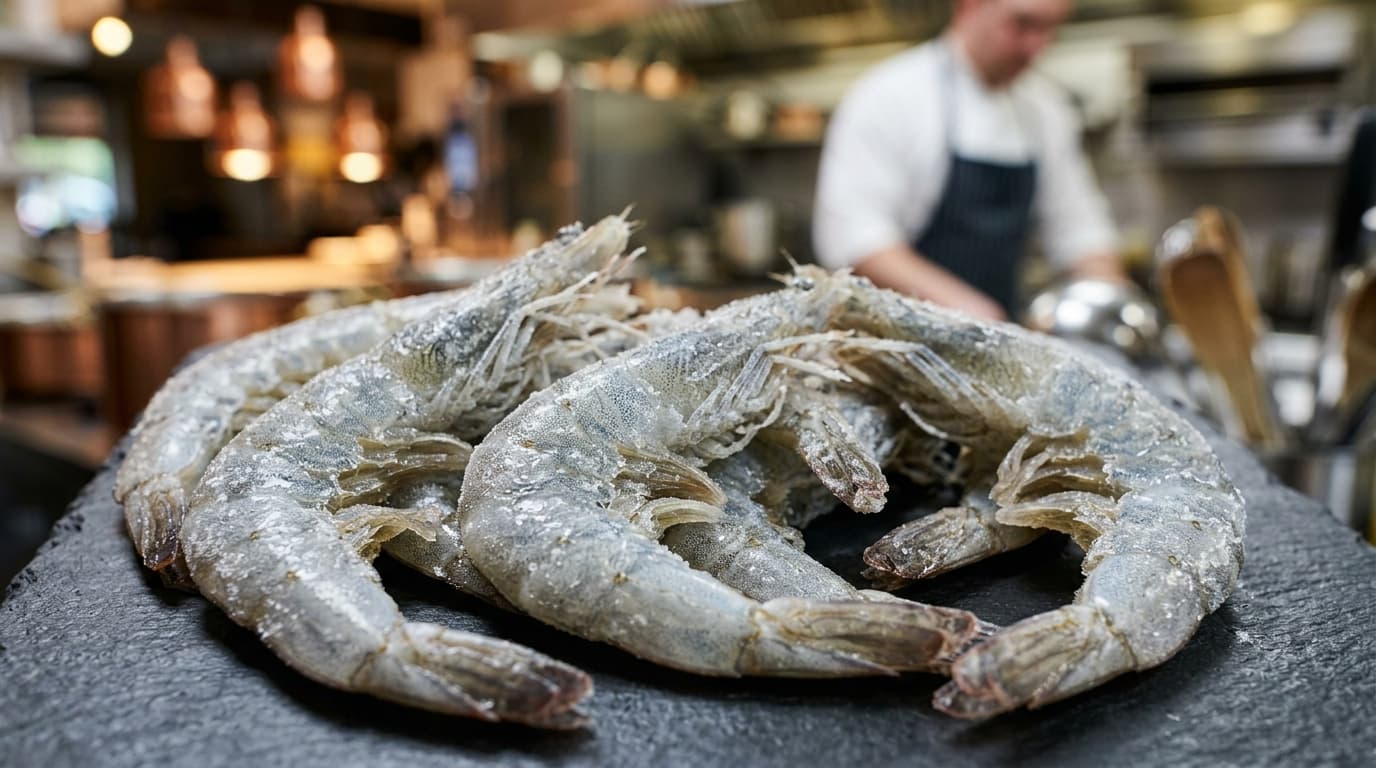
- Shells should be translucent to light grey/white, uniform in colour
- No black spots (melanosis), which indicate age and oxidation
- No yellowing, which suggests improper storage or age
Peeled and deveined:
- Flesh should appear opaque white or light grey-pink (not yellow or orange-tinted)
- Surface should look clean and moist, not slimy or dry
- IQF shrimp should be individually separate, not fused into clumps
What to Check on the Label
A trustworthy frozen shrimp product will clearly state:
- Species: Litopenaeus vannamei (or Pacific white shrimp)
- Country of origin: Indonesia (for Indonesian product)
- Processing method: IQF (Individually Quick Frozen)
- Count size: Expressed as shrimp per pound (e.g., 21/25, 31/40, 41/50)
- Treatment: "No treatment added" or clearly state if sodium tripolyphosphate (STPP) was used
Understanding Shrimp Count Sizes
| Count Size | Shrimp per pound | Best Use |
|---|---|---|
| U/10 | Under 10 | Showpiece presentations, grilling |
| 13/15 | 13–15 | Grilling, stuffed shrimp |
| 16/20 | 16–20 | Grilling, cocktail, pasta |
| 21/25 | 21–25 | Stir-fry, pasta, sautée |
| 31/40 | 31–40 | Fried rice, soups, tacos |
| 41/50 | 41–50 | Budget cooking, salads |
| 51/60 | 51–60 | Dips, appetizers, garnish |
How to Store Frozen Shrimp Properly
Proper storage is the difference between shrimp that tastes exceptional and shrimp that tastes of nothing.
Freezer Storage
- Keep at -18°C (0°F) or below
- IQF shrimp in unopened packaging: up to 12 months
- After opening: transfer to an airtight freezer bag, remove excess air, and use within 3 months
- Never refreeze shrimp that has been thawed
Thawing Methods
Refrigerator thaw (best method): Place sealed bag in the refrigerator overnight. Slow, even thawing preserves texture best. Takes 8–12 hours.
Cold-water thaw (fast method): Place shrimp in a sealed bag submerged in a bowl of cold water. Change water every 20–30 minutes. Ready in approximately 30–45 minutes.
Never use:
- Hot water (partially cooks the outer flesh while the inside remains frozen)
- Microwave defrost (uneven cooking, texture damage)
- Leaving shrimp at room temperature (food safety risk above 4°C)
Common Mistakes When Cooking Frozen Shrimp
Even experienced home cooks make these errors regularly. Avoiding them immediately elevates your results.
Mistake 1: Cooking from Frozen Without Thawing
While certain applications allow this (adding to a long-simmering soup, for example), most cooking methods require thawed shrimp. Frozen shrimp in a hot pan drops the temperature dramatically, causing uneven cooking and excess water release.
Mistake 2: Overcooking
Shrimp cook faster than nearly any other protein. A medium shrimp in a hot pan needs 60–90 seconds per side, maximum. The moment they curl into a tight "C" shape and turn opaque, remove them from heat. Continuing to cook produces rubbery, tough results that no sauce can rescue.
Mistake 3: Crowding the Pan
Adding too many shrimp to a pan simultaneously causes steaming rather than searing. The surface temperature drops, moisture releases, and you lose the caramelisation that creates flavour. Work in batches.
Mistake 4: Skipping the Pat-Dry Step
After thawing, thoroughly pat shrimp dry with paper towels before cooking. Surface moisture is the enemy of browning. Wet shrimp steam in the pan; dry shrimp sear.
Mistake 5: Not Seasoning Enough
Shrimp's mild flavour is a canvas, not the painting. Season aggressively — salt, pepper, and aromatics like garlic and chilli — and don't be timid about acids like lemon juice or lime. These elements make shrimp taste like shrimp.
The Complete Recipe: Garlic Butter Vannamei Shrimp with Lemon Herb Rice
This recipe is weeknight-simple, dinner-party-impressive, and showcases the clean, sweet flavour of quality vannamei shrimp at its best.
Ingredients
For the shrimp:
- 500g frozen vannamei shrimp (21/25 count), thawed, peeled and deveined
- 4 cloves garlic, finely minced
- 60g unsalted butter
- 2 tbsp olive oil
- 1 tsp smoked paprika
- ½ tsp red chilli flakes (adjust to taste)
- Juice of 1 lemon
- Small handful fresh flat-leaf parsley, roughly chopped
- Sea salt and freshly cracked black pepper
For the lemon herb rice:
- 300g jasmine rice
- 540ml water or chicken stock
- Zest of 1 lemon
- 2 tbsp fresh dill or parsley, chopped
- 1 tbsp butter
- Salt to taste
Method
Step 1 — Cook the rice: Rinse jasmine rice until the water runs clear. Combine with stock in a saucepan, bring to a boil, reduce to the lowest heat, cover, and cook for 12 minutes. Remove from heat and let steam, covered, for 5 minutes. Fluff with a fork, then fold in butter, lemon zest, herbs, and salt.
Step 2 — Prepare the shrimp: Pat thawed shrimp completely dry with paper towels. Season with smoked paprika, chilli flakes, salt, and pepper. Toss to coat evenly.
Step 3 — Cook the shrimp: Heat a wide, heavy-based skillet over high heat until very hot. Add olive oil and swirl to coat. Add shrimp in a single layer — work in batches if necessary. Cook undisturbed for 60 seconds. Flip each shrimp and add butter and garlic simultaneously. Cook for another 45–60 seconds, continuously basting shrimp with the bubbling butter. The shrimp are done when pink, opaque, and just curled.
Step 4 — Finish: Remove from heat. Squeeze lemon juice over the shrimp and scatter fresh parsley.
Step 5 — Plate: Mound lemon herb rice in a bowl. Arrange shrimp over the rice, spoon over all the garlic butter from the pan, and serve immediately.
Recipe Notes
Tip: The most important rule is to not walk away from the pan. Shrimp go from perfect to overcooked in seconds. Stay present and trust your eyes.
Serving suggestion: This dish pairs beautifully with a simple green salad dressed with olive oil and white wine vinegar, or with garlic-toasted sourdough for a more filling meal.
Variation: Add a handful of cherry tomatoes to the pan with the garlic for a quick pan sauce that adds acidity and colour.
Serving Suggestions and Pairings
Vannamei shrimp's versatility is genuinely remarkable. Once you have quality frozen shrimp in your freezer, the range of meals available to you is extraordinary.
Global Preparations Worth Exploring
Indonesian-style: Udang bumbu bali — shrimp cooked in a rich paste of shallots, garlic, bird's eye chilli, kaffir lime leaves, and coconut sugar. Served with steamed white rice.
Thai-style: Tom yum goong — a clear, hot and sour broth with lemongrass, galangal, kaffir lime leaves, and mushrooms, finished with a generous amount of shrimp.
Italian-style: Scampi in white wine — shrimp sautéed with garlic, dry white wine, butter, and linguine. Simple and extraordinary.
Spanish-style: Gambas al ajillo — shrimp cooked in olive oil with a daunting amount of garlic and dried chilli, served in a terracotta dish with crusty bread.
American Gulf-style: Shrimp and grits — succulent shrimp in a smoky, bacon-flecked sauce served over creamy stone-ground grits.
Wine Pairings
| Preparation | Wine Pairing |
|---|---|
| Garlic butter shrimp | Unoaked Chardonnay, Vermentino |
| Spicy Asian shrimp | Off-dry Riesling, Gewürztraminer |
| Shrimp in tomato sauce | Pinot Grigio, light Rosé |
| Grilled shrimp | Albariño, Sauvignon Blanc |
| Cream-based shrimp | Oaked Chardonnay, White Burgundy |
The Importance of Responsible Sourcing
As global demand for shrimp grows, so too does the pressure on aquaculture systems. Not all shrimp is produced equally, and the choices consumers make have real environmental consequences.
Responsibly sourced vannamei shrimp from Indonesia operates within frameworks designed to:
- Minimise antibiotic use through biosecure farming design
- Reduce environmental impact through pond management and effluent control
- Support fair labour practices in harvest and processing
- Maintain traceability from farm to export container
When purchasing frozen shrimp, certifications like ASC, BAP, and GLOBALG.A.P. indicate third-party verification of these practices. They are not guarantees, but they are meaningful signals.
Supporting producers who operate responsibly isn't just an ethical choice — it's a practical one. Sustainable aquaculture is the only long-term guarantee of continued access to quality seafood.
Buying Guide: What to Look for When Purchasing Frozen Vannamei Shrimp
Whether you're sourcing for a household or for foodservice, these criteria apply universally.
For Home Consumers
- Buy IQF, not block-frozen — individually frozen shrimp offer better texture, flexibility in portioning, and superior results in the kitchen.
- Check the count size — match the size to your intended use (see size table above).
- Read the ingredient list — ideally, the only ingredient listed should be shrimp. STPP (sodium tripolyphosphate) is a common phosphate treatment that increases water retention; it is widely used and generally regarded as safe, but premium product typically minimises its use.
- Check the glazing percentage — all frozen shrimp carries a thin glaze of water ice for protection. Be aware that a stated weight includes this glaze; look for products with glaze percentages disclosed.
- Choose certified suppliers — look for ASC or BAP logos on packaging.
For Foodservice and Export Buyers
- Request HACCP documentation and laboratory test reports
- Clarify water content and glaze percentage for accurate yield calculations
- Specify deveined, tail-on or tail-off, shell-on or peeled based on your application
- Confirm cold-chain documentation from processing to delivery
Frequently Asked Questions
Is frozen shrimp as nutritious as fresh shrimp?
Yes. When shrimp is processed and frozen promptly using IQF technology, its nutritional profile is essentially identical to fresh-harvested shrimp. In fact, because "fresh" market shrimp can sit in transit for several days before reaching the consumer, IQF frozen shrimp is often nutritionally superior to what's sold as "fresh" at retail.
How do I know if frozen shrimp has gone bad?
Signs of poor-quality or spoiled frozen shrimp include: a strong ammonia or sulphurous smell upon thawing (fresh shrimp should smell clean and mildly oceanic), grey or yellowed flesh, slimy texture after thawing, or significant ice buildup inside the bag indicating temperature abuse and partial thaw-refreeze cycles.
Can I cook frozen shrimp without thawing first?
For certain applications — adding to a heavily sauced braise, a curry, or a long-simmering soup — yes. For sautéing, grilling, or any high-heat method where texture matters, always thaw first and pat dry. Cooking from frozen in a hot pan releases excess moisture that prevents browning and leads to uneven cooking.
What does the number on frozen shrimp packaging mean?
The number refers to the count per pound. A label reading "21/25" means there are between 21 and 25 individual shrimp per pound of product. Smaller numbers mean larger shrimp. "U/10" means under 10 shrimp per pound — colossal size.
Why is Indonesian vannamei shrimp considered high quality?
Indonesia's tropical climate provides ideal conditions for vannamei aquaculture. Combined with investment in biosecure farm management, IQF processing technology, and adherence to international export standards (including HACCP, ASC, and BAP certification), Indonesian shrimp consistently meets the specifications demanded by premium markets in Europe, the US, and Japan.
Is vannamei shrimp farmed or wild-caught?
The vast majority of commercially available vannamei shrimp is farmed. Wild-caught vannamei does exist but is relatively rare. Indonesian farmed vannamei operates under regulated conditions, and many producers hold third-party sustainability certifications. When in doubt, look for certification logos on packaging.
How long can I keep frozen shrimp in the freezer?
Unopened IQF frozen shrimp maintains quality for up to 12 months at -18°C (0°F). After opening, transfer to an airtight bag, remove excess air, and use within 3 months for best quality. Always thaw in the refrigerator or under cold running water — never at room temperature.
What's the difference between vannamei and tiger shrimp?
Vannamei (Pacific white shrimp) is smaller, milder in flavour, faster-growing, and more affordable. Tiger shrimp (Penaeus monodon) grows larger, has a more pronounced, briny flavour, and commands a higher price. Both are excellent; the right choice depends on the dish and your budget.
Conclusion
Shrimp is one of those ingredients that quietly holds together a disproportionate share of the world's dinner tables. From the street markets of Surabaya to the seafood counters of Amsterdam and the backyard grills of Louisiana, it is a universal culinary language.
What has changed — and what this guide has tried to make clear — is that the quality of frozen shrimp available today is genuinely remarkable. IQF technology, rigorous cold chain management, and sustainable aquaculture practices have produced a product that is not just convenient but genuinely excellent. The best frozen vannamei shrimp from Indonesia is not a substitute for good seafood. It is good seafood.
The practical knowledge matters too: thaw it correctly, dry it thoroughly, cook it quickly, season it well. These small disciplines unlock the full potential of an ingredient that, at its best, needs nothing more than garlic, butter, and heat.
If you're exploring where to source export-quality frozen vannamei shrimp from Indonesia — whether for home use, a restaurant kitchen, or import purposes — it is worth seeking out a supplier who operates transparently, holds internationally recognised certifications, and can trace product from farm to freezer. One place worth exploring is ARSTNESIA's Frozen Vannamei Shrimp, which sources from Indonesian producers aligned with these standards.
The meal at the end of this research is simpler than you might expect — a hot pan, quality shrimp, good butter, a squeeze of lemon. But it starts long before the cooking begins, with the choice of what you put in your freezer.
Choose well. Cook with care. The rest takes care of itself.