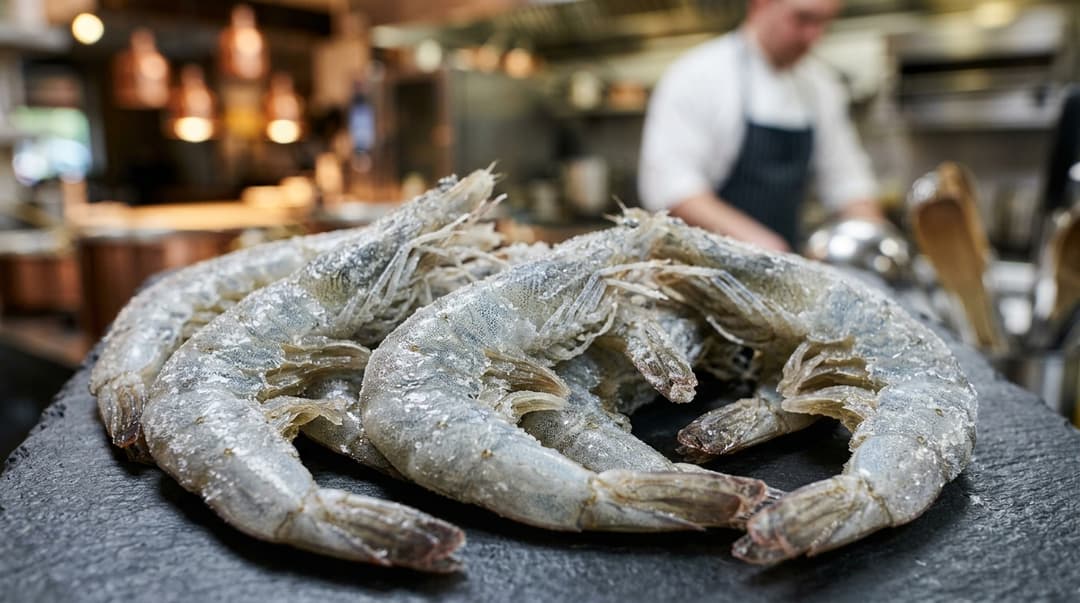
Quick Shrimp Dinner: The Complete Guide to Cooking with Frozen Vannamei Shrimp
- 08 Jul 2026
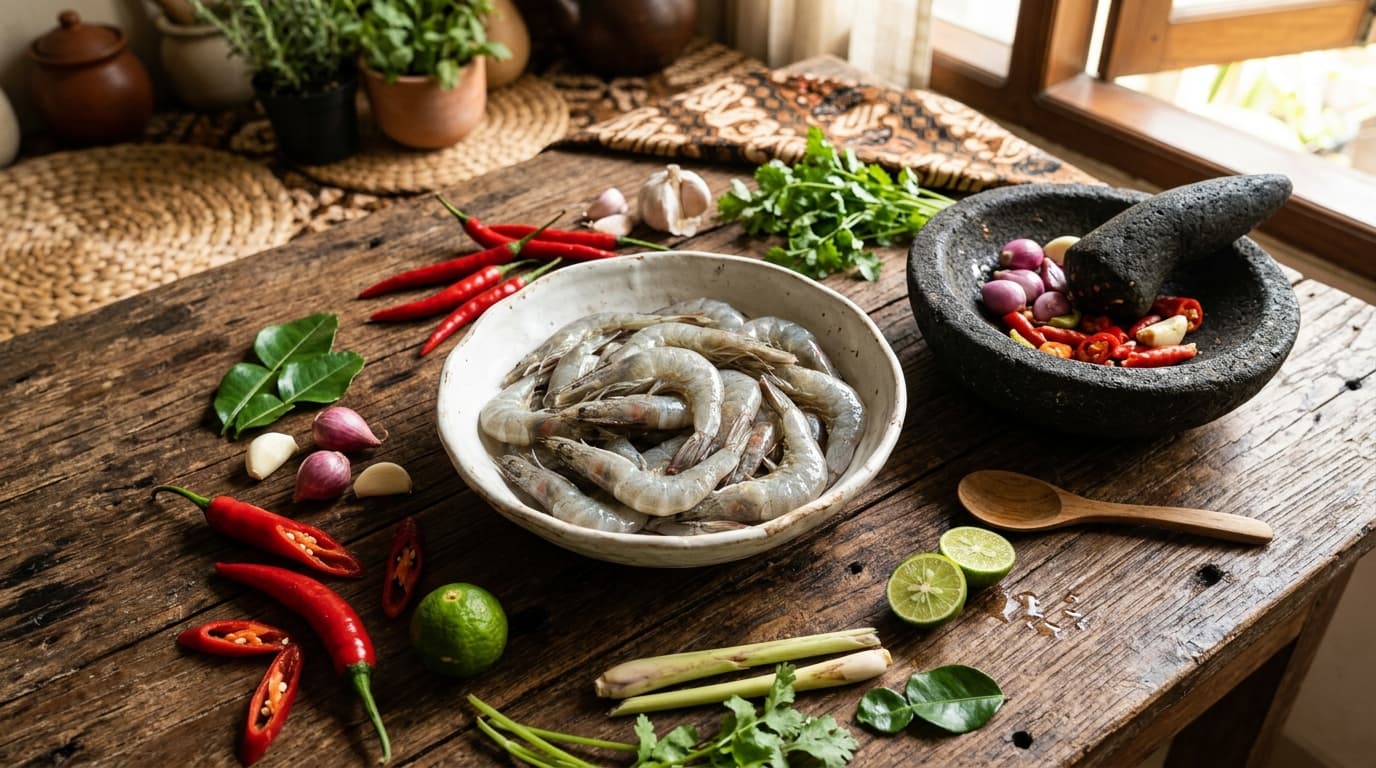
After a long day at work, nothing feels better than preparing a quick seafood dinner that tastes like a restaurant meal — and costs a fraction of the price. I remember the first time I pulled a bag of frozen vannamei shrimp out of my freezer on a Tuesday night, convinced I was too tired to cook anything worthy. Thirty minutes later, I had a garlic butter shrimp sitting on a bed of jasmine rice that my partner thought I had ordered from the Thai place down the street.
That's the magic of vannamei shrimp. It's fast. It's forgiving. And when you start with quality frozen shrimp, you genuinely cannot go wrong.
If you've been hesitant about frozen seafood, or if you simply want to get more out of this versatile ingredient, this guide covers everything — from what vannamei shrimp actually is, to nutrition, cooking methods, mistakes to avoid, and a full recipe you can use tonight.
What Is Vannamei Shrimp?
Vannamei shrimp (Litopenaeus vannamei), also known as white-leg shrimp or Pacific white shrimp, is the most widely farmed and consumed shrimp species in the world. Originally native to the Pacific coast of Latin America, it found its ideal farming environment in the warm, tropical waters of Southeast Asia — especially in Indonesia, which is now one of the world's top exporters.
What makes vannamei so popular, both commercially and in home kitchens?
- Mild, sweet flavor that adapts to almost any cuisine
- Firm yet tender texture that holds up well to high heat
- Consistent size — easy to portion and cook evenly
- High yield — more meat per gram compared to wild-caught species
- Wide availability — fresh or frozen, year-round
Whether you find it in your local supermarket or order it directly from a supplier, vannamei shrimp is the workhorse of the seafood world.
Why Frozen Shrimp Is Actually Better Than You Think
There's a persistent myth that "fresh is always better" when it comes to seafood. For shrimp, that simply isn't true.
Most "fresh" shrimp sold at seafood counters was previously frozen on the boat and thawed before display. Unless you live next to a shrimp farm or a busy fishing dock, the shrimp labeled "fresh" in the grocery store has likely been sitting in its thawed state for a day or two by the time it reaches you.
Flash-frozen shrimp, on the other hand, is frozen within hours of harvest — often directly on-site at the processing facility. This locks in:
- Flavor — no oxidation or fishy odor from prolonged exposure
- Texture — ice crystals form quickly and evenly, preserving cell structure
- Nutrition — vitamins and proteins remain intact
- Safety — cold chain eliminates most bacterial growth risks
If you've ever cooked frozen shrimp and thought it tasted mushy or smelled off, the issue was almost certainly the thawing method — not the shrimp itself. More on that shortly.
Nutritional Value of Vannamei Shrimp
Shrimp often gets overlooked in healthy eating discussions, partly because people associate seafood with being expensive or difficult to prepare, and partly because of outdated concerns about dietary cholesterol. Modern nutrition science has largely put those concerns to rest.
Here's what you get in a 100-gram serving of cooked vannamei shrimp (approximately 10–12 medium shrimp):
| Nutrient | Amount |
|---|---|
| Calories | ~99 kcal |
| Protein | ~24 g |
| Fat | ~0.3 g |
| Saturated Fat | ~0.1 g |
| Carbohydrates | ~0.2 g |
| Cholesterol | ~189 mg |
| Sodium | ~111 mg |
| Omega-3 Fatty Acids | ~0.5 g |
| Selenium | ~54% DV |
| Iodine | ~23% DV |
| Vitamin B12 | ~78% DV |
| Phosphorus | ~20% DV |
What stands out immediately is the protein-to-calorie ratio. Very few foods deliver that much protein for under 100 calories. For anyone managing weight, building muscle, or simply trying to eat more protein without eating more calories, shrimp is one of the most efficient options available.
The selenium content is worth highlighting too. Selenium is a trace mineral that plays a key role in thyroid function, immune defense, and antioxidant activity. A single serving of shrimp nearly covers your daily requirement.
And while the cholesterol number looks high, research now distinguishes between dietary cholesterol (which has minimal impact on blood cholesterol for most people) and saturated fat (which does). Shrimp is extremely low in saturated fat, making it heart-healthy for the majority of people.
Why Shrimp Is Perfect for Quick Weeknight Meals
Let me be honest with you: most people don't meal-prep. Most people come home tired, open the fridge, stare at it for three minutes, and then either order delivery or settle for toast.
Frozen vannamei shrimp is genuinely one of the best solutions for this problem, and here's why:
1. It Thaws in 15 Minutes
Drop the shrimp into a bowl of cold water, and you have perfectly thawed, ready-to-cook shrimp in 15 minutes. No overnight planning needed.
2. It Cooks in Under 8 Minutes
Shrimp cook fast. Dangerously fast, even — more on that mistake later. A full pan of shrimp can go from raw to perfectly cooked in 3–4 minutes per side over medium-high heat.
3. It Works in Every Cuisine
Garlic butter? Yes. Pad Thai? Yes. Pasta aglio e olio? Yes. Tacos? Absolutely yes. Shrimp has almost no cuisine it doesn't fit into.
4. It Requires Minimal Prep
Unlike chicken thighs or a whole fish fillet, shrimp requires no complicated butchering. Peel, devein (or buy pre-deveined), and cook.
5. It Stores for Months
A bag of frozen shrimp in your freezer is essentially an insurance policy against "there's nothing to cook" nights.
Essential Cooking Tips for Frozen Vannamei Shrimp
Getting the most out of your shrimp starts before you even turn on the stove.
Thawing Correctly
Never thaw shrimp at room temperature. Leaving shrimp on the counter allows the outer layers to warm into the bacterial danger zone (40°F–140°F / 4°C–60°C) while the center is still frozen.
The right methods:
- Cold water method (fastest): Seal shrimp in a zip-lock bag, submerge in cold water, change water every 5 minutes. Done in 10–15 minutes.
- Refrigerator method (best for planning ahead): Move frozen shrimp to the fridge the night before. Ready in 8–12 hours.
- Under running cold water: Works in 5–10 minutes for a smaller batch.
Drying Before Cooking
After thawing, pat the shrimp dry with paper towels. This step is non-negotiable if you want a good sear. Wet shrimp steams instead of searing, and you'll miss out on that golden, caramelized crust.
Seasoning
Shrimp absorbs seasoning quickly. A simple mix of salt, black pepper, garlic powder, and a pinch of cayenne is all you need for most applications. If you're marinating, 15–30 minutes is enough — any longer and the acid in marinades starts to "cook" the shrimp chemically, affecting texture.
Heat Level
Use medium-high to high heat. Shrimp need high heat for a quick sear. Low heat leads to slow cooking that draws out moisture and results in rubbery texture.
The Pan
A wide skillet or wok works best. Crowding the pan drops the temperature and causes steaming instead of searing. Cook in batches if necessary.
Common Mistakes When Cooking Shrimp (And How to Fix Them)
Even experienced cooks make these mistakes. Knowing them in advance will save your dinner.
Mistake 1: Overcooking
This is the most common shrimp mistake. Shrimp go from perfectly cooked to rubbery in under 60 seconds. The moment they form a tight "C" shape and turn opaque pink with a slight translucency still visible at the thickest part, they're done. An "O" shape means overcooked.
Fix: Pull shrimp off the heat while they still look slightly underdone. Residual heat finishes them.
Mistake 2: Not Drying the Shrimp
As mentioned, wet shrimp won't sear. They'll release water into the pan, creating a steamed, gray, waterlogged result instead of a golden-brown crust.
Fix: Pat thoroughly dry with paper towels and let them air-dry for a few minutes before cooking.
Mistake 3: Cooking Cold Shrimp Straight from the Freezer
Frozen shrimp dropped directly into a hot pan lowers the pan temperature dramatically and cooks unevenly — charred outside, raw inside.
Fix: Always thaw first using one of the methods above.
Mistake 4: Crowding the Pan
Too much shrimp at once drops the pan temperature and traps steam. You end up with gray, chewy shrimp instead of a proper sear.
Fix: Work in a single layer with space between each piece. Cook in two batches if needed.
Mistake 5: Using Low-Quality Frozen Shrimp
Not all frozen shrimp is created equal. Shrimp that has been stored too long, thawed and refrozen, or processed without proper hygiene will have an ammonia-like smell, mushy texture, and gray discoloration. These are signs of spoilage.
Fix: Source your shrimp from reputable suppliers who maintain cold chain integrity and export-grade quality standards.
Complete Recipe: Garlic Butter Vannamei Shrimp
This is the recipe I make on autopilot. It takes about 25 minutes start to finish, uses ingredients you likely already have, and the result is genuinely impressive.
Ingredients (Serves 2–3)
- 400g frozen vannamei shrimp, thawed and peeled (deveined)
- 4 cloves garlic, minced
- 3 tablespoons unsalted butter
- 1 tablespoon olive oil
- 1 teaspoon smoked paprika
- ½ teaspoon chili flakes (optional, adjust to taste)
- Salt and black pepper to taste
- Juice of ½ lemon
- 2 tablespoons fresh parsley, chopped
- Lemon wedges to serve
Instructions
Step 1 — Prep the shrimp: Thaw the shrimp using the cold water method (15 minutes). Pat completely dry with paper towels. Season with salt, black pepper, and smoked paprika. Toss to coat.
Step 2 — Heat the pan: Heat a large skillet over medium-high heat. Add the olive oil. Let it shimmer but not smoke.
Step 3 — Sear the shrimp: Add shrimp in a single layer. Cook for 2 minutes without moving — let them develop color. Flip each shrimp and cook for another 1–1.5 minutes. The shrimp should be pink, slightly curled, and have some golden color. Remove shrimp from pan and set aside.
Step 4 — Make the garlic butter sauce: Reduce heat to medium. In the same pan, melt the butter. Add garlic and chili flakes. Cook for 60–90 seconds, stirring constantly, until fragrant and lightly golden (don't let it burn).
Step 5 — Combine: Return the shrimp to the pan. Squeeze in the lemon juice. Toss everything together for 30 seconds to coat.
Step 6 — Finish and serve: Scatter fresh parsley over the top. Serve immediately.
Serving Suggestions
- Over jasmine rice — The butter sauce soaks into the rice perfectly.
- With crusty sourdough bread — For mopping up every drop of garlic butter.
- Tossed with pasta — Add al dente linguine to the pan at step 5.
- On top of a salad — Let the shrimp cool slightly and serve over mixed greens with a light vinaigrette.
- In shrimp tacos — Serve in warm corn tortillas with avocado, pickled cabbage, and lime crema.
Recipe Variations
Once you master the base recipe, here's how to riff on it:
Lemon Herb Shrimp
Replace smoked paprika with dried oregano and thyme. Add lemon zest along with the juice at the end. Serve over couscous.
Asian-Style Stir-Fried Shrimp
Replace butter with sesame oil. Sauce: 2 tbsp soy sauce, 1 tbsp oyster sauce, 1 tsp honey, 1 tsp rice vinegar, ½ tsp grated ginger. Serve over steamed rice or noodles with bok choy.
Shrimp Tacos with Mango Salsa
Season with cumin, coriander, and lime zest. Serve in corn tortillas with a mango-red onion-cilantro salsa and a drizzle of chipotle mayo.
Spicy Sambal Shrimp (Indonesian Style)
Sauté shrimp with 2–3 tablespoons of sambal oelek, a splash of kecap manis (sweet soy sauce), and shallots. Garnish with fried shallots and fresh red chili. Serve with white rice and cucumber.
Shrimp Fried Rice
Use day-old rice. Stir-fry with garlic, eggs, fish sauce, oyster sauce, and shrimp. Finish with green onions and a few drops of sesame oil.
How to Store Frozen Shrimp Properly
In the Freezer (Uncooked)
- Store at -18°C (0°F) or below
- Best used within 3–6 months for optimal quality (though safe beyond that)
- Keep in original airtight packaging or transfer to a zip-lock freezer bag
- Press out all excess air before sealing to prevent freezer burn
- Write the date on the bag
In the Refrigerator (After Thawing)
- Thawed uncooked shrimp: use within 1–2 days
- Do not refreeze thawed raw shrimp
- Store on the lowest shelf of the refrigerator to prevent cross-contamination
Cooked Shrimp
- Store in an airtight container in the refrigerator for up to 3 days
- Reheat gently in a pan over low heat or use cold in salads — microwaving tends to make shrimp rubbery
Signs of Spoilage
Discard shrimp that smells of ammonia, has a slimy texture after thawing, or shows black discoloration (black spot disease, a sign of oxidation from poor storage).
Buying Guide: What to Look for in Quality Frozen Shrimp
Not all frozen shrimp on the market is equal. Here's what to check:
Size/Count: Shrimp size is typically listed as count per pound (e.g., 16/20 means 16–20 shrimp per pound). For most recipes, 21/25 or 26/30 is the sweet spot — large enough to be satisfying, small enough to cook quickly and affordably.
Appearance: Look for shrimp that are uniformly white-pink with no black spots, no yellowing, and minimal ice glaze.
Ingredients: The only ingredient should be shrimp, with perhaps salt or sodium tripolyphosphate (a common preservative that helps retain moisture). Be wary of shrimp with extensive additive lists.
Origin and Certification: Indonesian vannamei shrimp from reputable producers often carries certifications like ASC (Aquaculture Stewardship Council), BAP (Best Aquaculture Practices), or HACCP. These certifications indicate responsible farming and food safety standards.
Packaging Integrity: Avoid bags with visible frost buildup inside, which indicates the shrimp has been thawed and refrozen at some point.
If you're looking for premium frozen shrimp with export-quality standards, choosing high-quality ingredients makes all the difference in your final dish. The consistency in size, cleanliness in flavor, and absence of that off-putting fishy smell comes down entirely to how the shrimp was processed and stored before it reached you.
For a reliable source of Indonesian export-grade vannamei shrimp, you can explore options like Arstnesia's frozen vannamei shrimp — farmed and processed in Indonesia with traceability and quality standards designed for international markets.
Frequently Asked Questions (FAQ)
Q: Is it safe to eat frozen shrimp that has been in the freezer for over a year?
A: It is generally safe to eat if the shrimp has been kept at a consistent temperature of -18°C or below. However, the quality — particularly flavor and texture — degrades over time. For the best eating experience, aim to use frozen shrimp within 6 months of purchase.
Q: Do I need to devein frozen vannamei shrimp?
A: Technically, the dark vein running along the back is the shrimp's digestive tract, and while not harmful to eat, it can occasionally have a slightly gritty texture and mild bitter taste. For dishes where the shrimp is prominent (like garlic butter shrimp), deveining is recommended. For soups, stews, or fried rice where it's one of many ingredients, it's less critical. Many frozen shrimp products come pre-deveined for convenience.
Q: Can I cook shrimp from frozen without thawing?
A: Yes, but with caveats. Shrimp cooked from frozen work best in soups, curries, or pasta sauces where they have time to cook through evenly in liquid. For searing or stir-frying — where you want a crust — always thaw first. Cooking from frozen in a dry pan results in uneven cooking and excess steam.
Q: Why does my shrimp smell fishy?
A: A mild oceanic smell is normal. A strong ammonia or "rotten" fishy smell is a sign of spoilage — discard it. If the smell is mild but noticeable, soaking thawed shrimp in cold water with a tablespoon of lemon juice or a small amount of milk for 10–15 minutes can help neutralize it.
Q: What's the difference between vannamei and tiger shrimp?
A: Tiger shrimp (Penaeus monodon) are larger, with a slightly sweeter and more distinct flavor. Vannamei are smaller, milder, and significantly more affordable due to their efficient farming profile. Vannamei is the better everyday shrimp; tiger shrimp is often reserved for grilling or presentations where size is part of the dish.
Q: Can I marinate frozen shrimp before thawing?
A: No. The marinade won't penetrate the frozen flesh properly, and parts of the shrimp may start to "cook" unevenly in acidic marinades once they begin thawing. Always thaw fully first, then marinate for no more than 30 minutes.
Q: Is farmed vannamei shrimp sustainable?
A: It depends heavily on the producer. Modern certified shrimp farms — particularly those with ASC or BAP certification — use closed-system aquaculture, minimized antibiotic use, and responsible waste management. When buying, look for certification logos or ask your supplier about their farming practices.
Internal Links Suggestions
- The Hidden Gem of Indonesian Spices — Javanese Cardamom
- How to Cook with Javanese Cardamom: Recipes Traditional to Modern
- Unlock the Power of Cocopeat: The Sustainable Growing Solution
Final Thoughts
Frozen vannamei shrimp is one of those rare ingredients that manages to be simultaneously humble and remarkable. It's cheap enough to cook on a Tuesday, impressive enough to serve at a dinner party, and nutritious enough to eat several times a week without guilt.
The most important lesson I can leave you with: quality matters, but technique matters more. Start with properly stored, export-grade shrimp. Thaw it correctly. Dry it completely. Don't crowd the pan. Don't overcook it.
Do those four things, and you'll never order mediocre shrimp from a restaurant again.
Image: Premium frozen vannamei shrimp from Indonesia — export-quality, sustainably farmed, and ready to cook.